


Building Confidence with Personal Safety Insights
- SheepDog Society Admin.

- Feb 23
- 4 min read
Feeling safe and confident in your daily life is something we all deserve. Whether you're walking to your car at night, traveling to a new place, or simply going about your routine, having personal safety strategies can make a huge difference. I want to share some practical tips and insights that have helped me and many others build confidence through personal safety. These strategies are straightforward, accessible, and designed to empower you every step of the way.
Understanding Personal Safety Insights
Personal safety is more than just avoiding danger. It’s about being aware, prepared, and confident in your ability to protect yourself. When you understand your environment and know how to respond to different situations, you naturally feel more secure. This confidence can change how you carry yourself and how others perceive you.
One of the first things I learned is that personal safety starts with awareness. This means paying attention to your surroundings, trusting your instincts, and recognizing potential risks before they escalate. For example, if you notice someone following you or acting suspiciously, it’s okay to change your route or seek help. Your intuition is a powerful tool.
Here are some simple ways to boost your awareness:
Keep your head up and avoid distractions like excessive phone use when walking alone.
Make eye contact with people around you; it shows confidence and can deter unwanted attention.
Learn to identify safe places nearby, such as stores, restaurants, or public buildings, where you can go if you feel threatened.
By practicing these habits, you’ll start to feel more in control and less vulnerable.

Building Confidence Through Practical Safety Strategies
Confidence grows when you have a plan. Personal safety strategies are your plan. They give you tools to handle unexpected situations calmly and effectively. Let’s break down some key strategies that anyone can use.
1. Self-Defense Basics
Knowing some basic self-defense moves can boost your confidence tremendously. You don’t need to be a martial arts expert to protect yourself. Simple techniques like breaking free from a grab, using your voice loudly to attract attention, or targeting vulnerable areas like eyes or knees can be very effective.
Consider taking a local self-defense class or watching instructional videos online. Practicing regularly helps these moves become second nature. Remember, the goal is to create an opportunity to escape, not to engage in a fight.
2. Carrying Personal Safety Tools
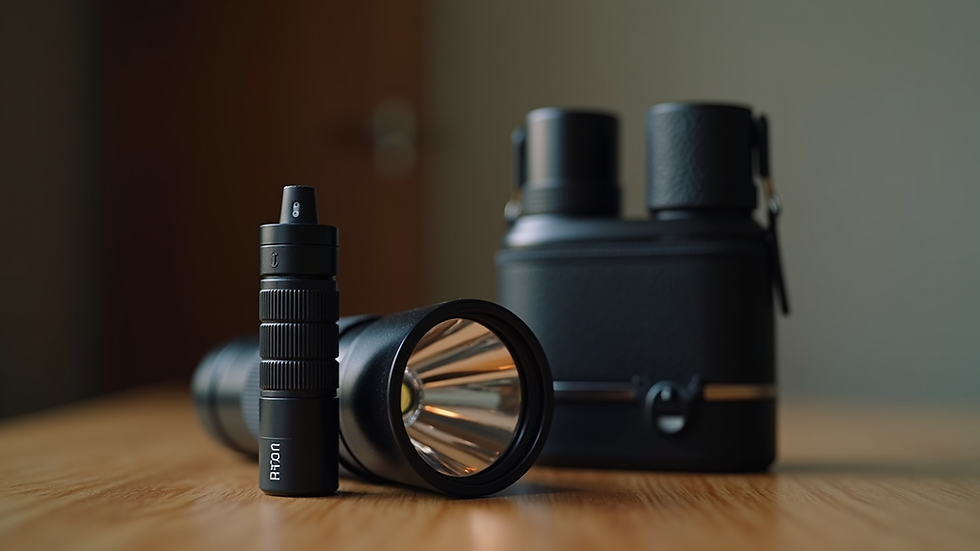
Depending on your comfort level and local laws, carrying personal safety tools can add an extra layer of protection. Items like pepper spray, a personal alarm, or even a flashlight can be useful. I always recommend checking your local regulations to ensure you’re compliant.
When you carry these tools, practice using them so you’re not fumbling in an emergency. For example, a personal alarm can be a loud deterrent, and a flashlight can help you see and be seen in dark areas.
3. Safe Travel Habits
Traveling safely means planning ahead. If you’re going somewhere unfamiliar, research the area, know the safest routes, and share your plans with someone you trust. Avoid isolated areas, especially at night, and use well-lit, populated paths.
If you drive, keep your car doors locked and park in well-lit areas. When using public transportation, stay alert and avoid distractions. These small habits can make a big difference.
The Role of Firearms in Personal Safety
For many, firearms are an important part of their personal safety strategy. Owning and responsibly using a firearm can provide peace of mind and a means of defense. However, it’s crucial to approach this with respect, training, and responsibility.
If you’re considering firearms for self-defense, here are some important steps:
Get proper training: Learn how to handle, store, and use your firearm safely.
Understand the laws: Know your rights and responsibilities in your state or region.
Practice regularly: Confidence with a firearm comes from consistent practice and familiarity.
Secure storage: Always store firearms safely to prevent accidents or unauthorized access.
Remember, firearms are just one part of a broader personal safety plan. Combining them with awareness and other strategies creates a well-rounded approach.
Building a Supportive Community for Personal Safety
One of the most empowering things you can do is connect with others who share your interest in personal safety. Being part of a community provides support, knowledge sharing, and motivation. Whether it’s an online forum, a local self-defense group, or a firearms training class, these connections help you stay informed and confident.
I’ve found that sharing experiences and tips with others not only improves my skills but also builds a sense of camaraderie. We all want to feel safe and capable, and together, we can learn from each other’s insights.
If you’re looking for a place to start, consider joining groups like the SheepDog Society LLC, which focuses on making self-defense accessible and affordable. They promote American patriotism and foster a strong online community where everyday folks can learn and share knowledge about personal safety, firearms, and survival skills.
Taking Control of Your Personal Safety Journey
Building confidence with personal safety strategies is a journey, not a one-time event. It takes time, practice, and a willingness to learn. But every step you take makes you stronger and more prepared.
Start small. Pick one or two strategies to focus on this week. Maybe it’s practicing situational awareness or signing up for a self-defense class. Celebrate your progress and keep pushing forward.
Remember, personal safety is about empowerment. It’s about knowing you have the tools and mindset to protect yourself and your loved ones. And that confidence will shine through in everything you do.
Stay safe, stay confident, and keep building your personal safety skills every day!


Comments