


The Best Martial Arts Styles for Effective Self-Defense Explained
- SheepDog Society Admin.

- Sep 4, 2025
- 4 min read
Martial arts are more than just a way to stay fit; they are also valuable for self-defense. With many styles available, each offering unique techniques and philosophies, it can be challenging to know which martial art is most effective for self-protection. This guide breaks down several popular martial arts styles, exploring their strengths and weaknesses to help you make an informed choice.
Understanding Self-Defense
Self-defense involves protecting yourself from harm, but it goes beyond just fighting back. It incorporates awareness, avoidance, and de-escalation strategies. Choosing the right martial art can give you essential skills to handle potentially dangerous situations effectively.
The Importance of Choosing the Right Style
Select a martial art based on your physical abilities, personal interests, and possible scenarios you might face. Some styles prioritize striking, while others focus on grappling or joint locks. Knowing the specific advantages and techniques of each style is crucial to align with your self-defense goals.
Popular Martial Arts Styles for Self-Defense
1. Krav Maga
Krav Maga originated from the Israeli military and is tailored for real-world self-defense. It combines moves from various martial arts and stresses efficient movements.
Strengths:
Real-Life Scenarios: Training focuses on practical situations such as defending against armed attacks or multiple attackers. Approximately 87% of Krav Maga students feel more confident in managing dangerous situations after training.
Quick to Learn: The straightforward techniques can be picked up rapidly, making it an accessible choice for beginners.
Awareness Training: Emphasizes staying aware of surroundings to avoid confrontations, which is a vital self-defense skill.
Weaknesses:
Limited Traditional Aspects: Some may miss the traditional forms and artistic elements found in other martial arts.
High Physical Demand: The rigorous training may not suit everyone, especially those new to physical fitness.
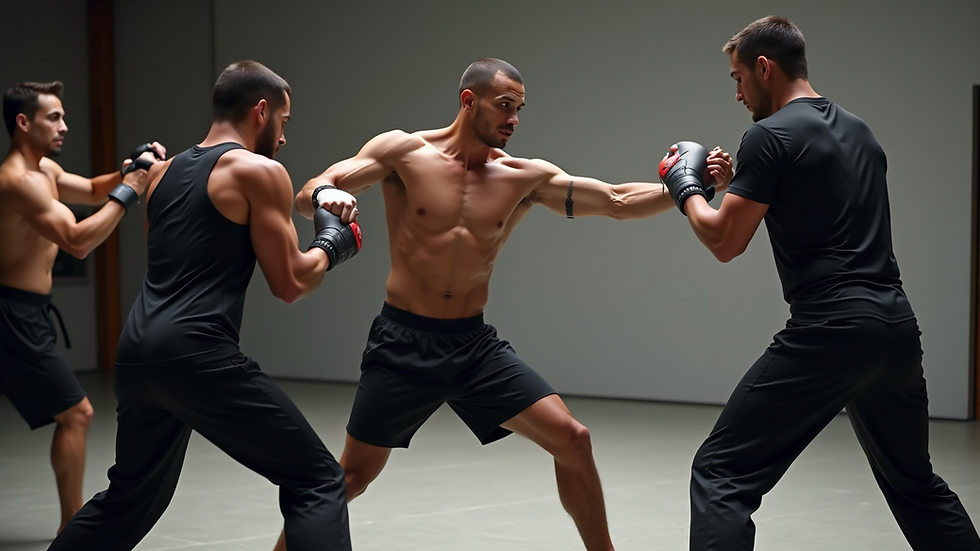
2. Brazilian Jiu-Jitsu (BJJ)
Brazilian Jiu-Jitsu is centered around grappling and ground fighting, allowing smaller individuals to defend against larger opponents effectively.
Strengths:
Leverage: BJJ teaches control and submission techniques, making it especially effective when size and strength differ. Studies show that BJJ practitioners can often neutralize attackers regardless of their size.
Ground Defense: As many encounters end up on the ground, BJJ equips students with vital skills for those situations.
Mental Challenge: Practicing BJJ develops problem-solving skills, useful in high-stress environments.
Weaknesses:
Lack of Striking: The absence of striking techniques may leave students vulnerable in stand-up encounters.
Time to Master: Mastery can take years, which may not benefit those wanting quick self-defense solutions.

3. Muay Thai
Known as the "Art of Eight Limbs," Muay Thai incorporates punches, kicks, elbows, and knees, making it a powerful striking martial art.
Strengths:
Impactful Strikes: The techniques learned can incapacitate an attacker swiftly, making it an excellent choice for self-defense scenarios.
Fitness Boost: The physically demanding training enhances overall health and endurance; many practitioners report improved fitness within weeks.
Clinch Techniques: The ability to control an opponent in close quarters is another advantage in self-defense situations.
Weaknesses:
Limited Ground Strategies: Like BJJ, it lacks ground fighting techniques, which could pose challenges in certain scenarios.
Requires Good Fitness Level: Due to the high intensity, beginners or those less fit may struggle with training demands.

4. Judo
Judo focuses on throws, pins, and joint locks, utilizing an opponent's force against them, making it suitable for self-defense.
Strengths:
Effective Throws: Judo techniques can help neutralize an opponent quickly, especially in close encounters.
Safety and Control: Judo emphasizes restraint, helping practitioners control opponents without causing severe damage, which is critical in legal situations.
Overall Fitness: Regular practice improves physical fitness, including strength and flexibility.
Weaknesses:
No Striking Techniques: The absence of striking moves may limit effectiveness in some situations.
Close Contact Required: Many techniques necessitate getting close to the opponent, which may not always be practical in a sudden altercation.
Important Factors to Consider When Selecting a Martial Art
Personal Goals
Reflect on what you want to achieve with martial arts training. Whether improving fitness, acquiring self-defense skills, or pursuing competition, your goals should guide your choice.
Physical Abilities
Consider your current fitness level and physical strengths. Some martial arts demand greater physical exertion, so ensure you select a style that suits your abilities.
Training Environment
The learning environment greatly influences your experience. Choose a dojo or gym that promotes a supportive and respectful atmosphere to enhance your training journey.
Instructor Qualifications
Research instructors' backgrounds to ensure you receive effective and safe training. Quality instruction can make a significant difference in your learning curve.
Final Thoughts
Deciding on the best martial art for self-defense is a personal journey, influenced by your goals, abilities, and the techniques each style offers. Whether you prefer Krav Maga's practical applications, Brazilian Jiu-Jitsu's ground proficiency, Muay Thai's powerful striking, or the throwing abilities of Judo, each style has its pros and cons.
Choose a martial art that resonates with you and fits into your lifestyle. Remember, effective self-defense isn't solely about physical techniques; it involves awareness, avoidance, and de-escalation tactics. By committing to training, you can empower yourself to handle various situations confidently.
As you embark on this martial arts journey, remain open-minded and dedicated. The experience of learning will not only enhance your self-defense capabilities but also contribute to your overall well-being.


Comments